Traditional Jamaican Food Recipes With Modern Appeal
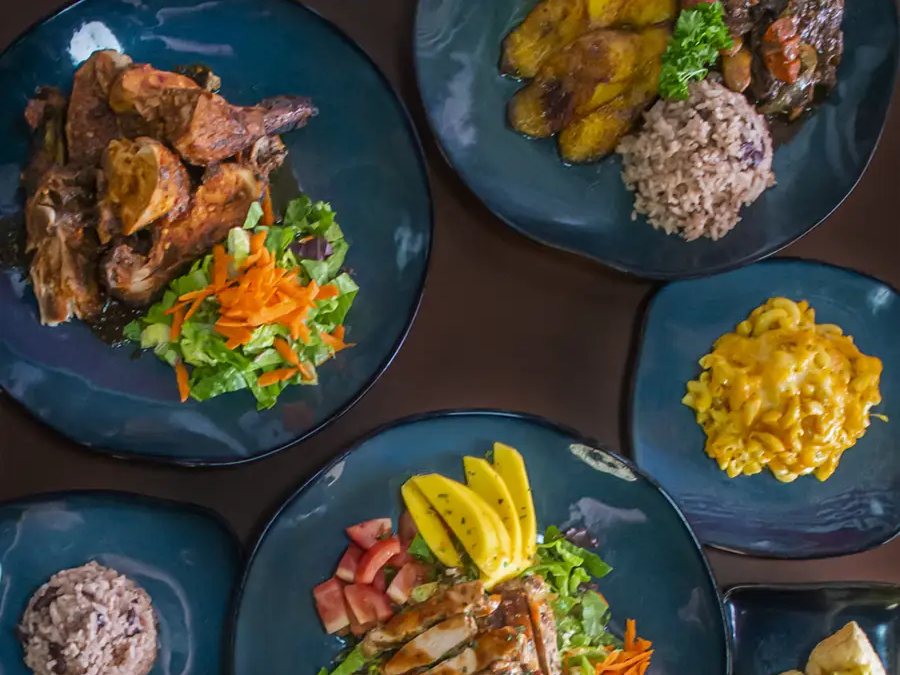
Jamaican food has always carried more range than outsiders expect. People often reduce it to jerk chicken, patties, and maybe a plate of rice and peas, but the real cooking tradition is broader, subtler, and more adaptable than that narrow postcard version. It is food shaped by African technique, Indigenous ingredients, British colonial influence, Indian seasoning habits, Chinese migration, and a climate that gives cooks access to allspice, Scotch bonnet peppers, breadfruit, callaloo, coconut, cassava, green banana, and some of the finest tropical fruit in the region. It is home cooking, market cooking, roadside cooking, celebratory cooking, and survival cooking all at once.
That complexity is exactly why traditional Jamaican food recipes lend themselves so well to modern kitchens. They already rely on balance: heat against sweetness, smoke against freshness, richness against acid, starch against spice. A thoughtful cook does not need to “reinvent” these dishes to make them feel current. More often, the smartest move is to preserve the soul of the food while adjusting technique, timing, presentation, and ingredient access for how people cook and eat now.
The modern appeal of Jamaican food is not a matter of making it less Jamaican. It is about understanding what matters most in each dish. Sometimes that means keeping the pimento, https://becketthynn804.quantlynix.com/posts/discovering-the-soul-of-jamaican-food-through-its-signature-dishes thyme, scallion, and Scotch bonnet exactly where they belong, then lightening the cooking method. Sometimes it means serving a deeply traditional braise in a different format. Sometimes it means making a weeknight version that still tastes honest. The line between adaptation and dilution is real, and experienced cooks can feel it immediately.
What makes a Jamaican recipe feel authentic, even when it changes
Most traditional Jamaican cooking is built on layered seasoning rather than complicated plating. If the base is right, the dish can survive a surprising amount of reinterpretation. A proper curry goat, for example, does not depend on a single exact recipe. It depends on marination, time, aromatics, and the unmistakable warmth of curry powder bloomed in fat. Escovitch fish depends on sharpness and contrast as much as on the fish itself. Jerk depends on fire, allspice, thyme, scallion, Scotch bonnet, and a little bitterness from char.
That is why modern appeal should start with flavor structure, not visual trends. A quinoa bowl with jerk seasoning may photograph well, but if the seasoning is shallow and sweet, it misses the point. On the other hand, a roasted cauliflower steak brushed with a true jerk paste, charred hard and served with a tart pineapple chow and coconut yogurt, can make perfect sense. It respects the seasoning tradition while shifting the center of the plate.
A lot of cooks make the same mistake when modernizing heritage dishes. They strip out the ingredients that define the recipe, then add a fashionable garnish and call it contemporary. That approach usually leaves the food tasting confused. Better results come from asking a simple question: what is the non-negotiable core? In Jamaican food, the answer is often aroma first. Thyme, pimento, ginger, scallion, garlic, onion, nutmeg, cinnamon, clove, bay leaf, and Scotch bonnet do a tremendous amount of work. Once those are in place, a cook can make practical choices elsewhere.
The pantry that carries the cuisine
A modern kitchen can produce deeply satisfying Jamaican food without requiring a specialist market for every meal, though a few key ingredients are worth seeking out. Anyone who cooks these dishes regularly learns that the pantry matters as much as the fresh produce.
- allspice, often called pimento in the Caribbean, for jerk and braises
- Scotch bonnet peppers, used with judgment rather than bravado
- fresh thyme, scallion, garlic, and ginger as daily building blocks
- coconut milk, dried beans, and good long-grain rice for staples
- browning sauce, curry powder, and quality soy sauce for depth in certain dishes
Even here, judgment matters. Scotch bonnet is not interchangeable with every hot pepper. Habanero is close enough in many kitchens, but the fruitiness is slightly different. Dried thyme can help in a pinch, but fresh thyme gives a brighter and more distinctly Jamaican aroma. Canned coconut milk is convenient, though brands vary wildly in richness and sweetness. A cook who tastes carefully can compensate. A cook who follows the label blindly often cannot.
Jerk, beyond the grill fantasy
Jerk is probably the most internationally recognized expression of Jamaican food, and it is also one of the most misunderstood. The popular image is a thick sauce slathered on chicken before it hits a gas grill. Real jerk is more demanding and more interesting than that. The seasoning should penetrate. The allspice should be unmistakable. The thyme should register. The heat should build instead of hitting like a blunt object. Smoke and char matter, but so does restraint.
Traditional jerk was cooked over pimento wood, and that specific perfume is hard to duplicate outside Jamaica. Still, modern cooks can get surprisingly close with a few technique choices. Marinating overnight helps. Using a wet paste rather than a watery sauce helps more. Roasting on a rack at high heat, then finishing under a broiler or over live flame, can produce a satisfying balance of crisp skin and juicy interior. A small amount of smoked allspice or a brief pass in a smoker can add character, though it should never taste like generic barbecue.
Modern appeal enters when jerk moves beyond its standard pairings without losing integrity. Jerk salmon works when the seasoning is calibrated for a shorter cook time and a more delicate protein. Jerk mushrooms can be excellent because they absorb paste well and welcome hard charring. Jerk pork tenderloin is weeknight-friendly and still deeply recognizable. What does not work is turning jerk into a sugar-heavy glaze that tastes more like sticky wings than Jamaican cooking.
There is also room to refine the plate. A heavy mound of starch is not mandatory at every meal. Jerk chicken with a crisp cucumber and cho cho salad, charred lime, and roasted sweet potato wedges feels current without feeling rootless. The same seasoning profile that shines at a roadside stand can sit comfortably in a restaurant dining room when handled with care.
Rice and peas, and why the details matter
Few dishes reveal the discipline of Jamaican home cooking better than rice and peas. It looks simple and gets treated casually by inexperienced cooks, but that is usually where the trouble starts. Good rice and peas should be fragrant, distinct, and rich without becoming greasy. The rice should hold together and separate at the same time. The coconut should support rather than dominate. The thyme and scallion should whisper through the steam. The beans, usually red kidney beans though “peas” is the common term, should be tender but not collapsing into the pot.
The modern home cook often wants to rush this dish, using canned beans and random rice proportions. That can work, but it takes adjustment. The bean liquid may be salty. The coconut milk may be thick enough to alter the hydration balance. One extra quarter cup of liquid can turn a beautiful pot into a soft, heavy mass. This is the kind of recipe that rewards touch and repetition more than strict allegiance to a typed formula.
To give rice and peas modern appeal, the smartest changes are usually around context rather than composition. Serve it with grilled fish instead of a heavy stew. Fold in fresh herbs right at the end for a brighter finish. Use it as the base of a lunch bowl with escovitch vegetables and avocado. If you want to make it feel lighter, reduce the coconut milk slightly and let the aromatics do more of the work. What you should not do is strip away the coconut, thyme, and bean foundation so thoroughly that it becomes plain rice with garnish.
Curry goat, oxtail, and the art of patient richness
Jamaican braises have a natural affinity for modern dining because they are flavor-dense, deeply comforting, and ideal for advance preparation. Curry goat and oxtail both improve with time. They also happen to fit current eating habits well, since many people prefer dishes that can be cooked ahead and reheated without loss.
Curry goat is one of the clearest examples of adaptation done well. The traditional version is bold, warming, and often celebratory. It benefits from marination, long simmering, and enough spice to carry the richness of the meat. In a modern kitchen, a pressure cooker or multicooker can shorten the process dramatically without wrecking the final flavor, provided the cook still takes time to season properly and reduce the sauce to the right consistency. The machine saves time, but it cannot invent depth that was never built.
Oxtail presents a similar lesson. Its popularity has surged well beyond the Caribbean, which has made it both fashionable and expensive. That price pressure has pushed cooks to consider alternatives such as beef cheeks, short ribs, or even turkey necks. Some of those substitutions are practical. Beef cheeks, in particular, provide a similar gelatin-rich tenderness and respond well to the same browning and braising logic. Still, the flavor is not identical. A skilled cook can make a beautiful braise inspired by Jamaican oxtail using another cut, but honesty matters. Call it what it is.
When plated with a little more restraint, these dishes feel surprisingly contemporary. A small portion of glossy braised meat over scallion mashed green banana, or beside roasted pumpkin with a spoonful of reduced gravy, has elegance. The food does not need gimmicks. It needs concentration, proper seasoning, and a plate that leaves room for appetite.
Ackee and saltfish deserves more respect than novelty
Ackee and saltfish is one of the defining dishes of Jamaican food and one of the easiest to mishandle in modern interpretations. It is often treated either too timidly or too playfully. The classic combination works because it balances creamy ackee, savory salt cod, softened onion and tomato, herbal brightness, and a little heat. The texture is delicate. Overstir it and the ackee disintegrates. Overseason it and the cod takes over. Undersalt it and the dish tastes flat.
In many contemporary kitchens, ackee gets pushed into brunch menus, usually on toast, in scrambled eggs, or inside a filled pastry. Some of those ideas are excellent. Ackee and saltfish on sourdough with pickled onion and a squeeze of lime can be genuinely compelling, especially when the ackee is handled gently and the cod remains in tender flakes rather than dry shreds. What fails is treating ackee as a mere substitute for eggs or avocado. It has its own flavor, subtle but distinct, and it needs room.
This is also where sourcing matters. Canned ackee is the practical standard outside Jamaica, and there is no shame in that. The key is careful draining and minimal agitation. If the fruit is packed too tightly or cooked too aggressively, it quickly turns mushy. A lighter hand produces a cleaner, more polished result. In restaurant settings, I have seen this dish transformed by one simple adjustment: adding the ackee at the very end and warming it through rather than cooking it down. The difference in texture is immediate.
Patties, that flaky icon, updated the right way
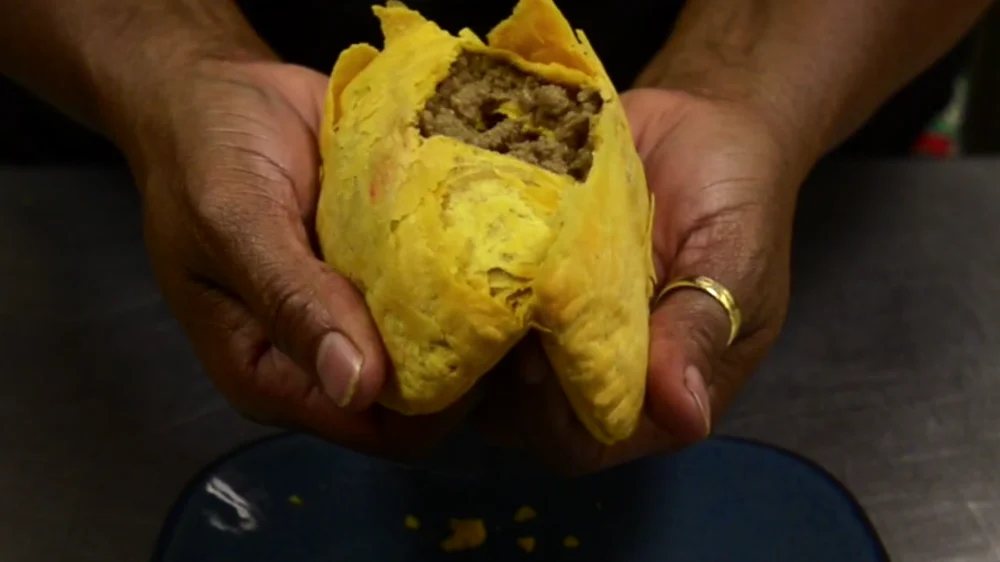
A good Jamaican patty is one of the great portable foods. The pastry should be flaky, tinted golden from turmeric or curry. The filling should be savory, juicy, and highly seasoned. The shape matters less than the balance. A dry filling ruins the whole thing. So does pastry that snaps like a cracker instead of shattering lightly and giving way.
Modern appeal has helped patties thrive. They fit grab-and-go eating perfectly, and they welcome thoughtful variation. Beef remains the benchmark, but curried vegetables, jerk chicken, callaloo and cheese, shrimp, or lentil fillings can all work. The danger is overstuffing them with wet ingredients or turning them into oversized hand pies that lose the compact intensity people love.
The smartest patty makers today pay attention to mechanics. They chill the dough enough to preserve layers. They cool the filling before assembly so the pastry does not soften. They keep the seasoning assertive because a crust always mutes flavor slightly. In commercial settings, many also refine the size. A smaller patty can feel more premium and less clumsy, especially when served with a dipping sauce that adds acid, such as tamarind ketchup or a sharp pepper sauce.
A patty is also one of the best places to bring Jamaican flavors to people who may be unfamiliar with the broader cuisine. It is recognizable, manageable, and memorable. One well-made patty tells the story better than a vague “island-inspired” bowl ever could.
Ital cooking and plant-forward Jamaican food
Not every conversation about traditional Jamaican recipes should revolve around meat. Ital cooking, associated with Rastafarian foodways, offers some of the most relevant ideas for contemporary cooks. It values natural ingredients, freshness, vegetable-forward preparation, and a style of cooking that can be deeply nourishing without feeling austere. In a time when many diners want meals that are both satisfying and lighter, ital dishes feel especially current.
Callaloo is a prime example. It can be cooked simply with onion, garlic, thyme, tomato, and Scotch bonnet, then served alongside almost anything. It is hearty enough to stand in for richer sides and flexible enough to fold into soups, grain bowls, savory tarts, or stuffed flatbreads. Pumpkin stew with coconut milk, broad beans, and fresh herbs can be elegant enough for a dinner party. Steamed cabbage, done well, is another sleeper, sweet at the edges and bright with black pepper and scallion.
What modern cooks sometimes miss is that plant-forward Jamaican food still depends on bold seasoning. It should not taste worthy or muted. A lentil stew needs enough thyme, ginger, allspice, and Scotch bonnet to feel rooted in the island’s culinary language. Roasted breadfruit needs a lively accompaniment, perhaps a bright escovitch pickle or a creamy coconut dip sharpened with lime.
If there is one area where Jamaican food has enormous room to grow globally, it is here. There is no need to invent a plant-based Caribbean cuisine from scratch. It already exists.
The freshness factor, pickles, slaws, and sharp contrasts
One reason Jamaican food continues to resonate with modern eaters is that it naturally understands contrast. Rich dishes are regularly cut with peppery vinegars, raw vegetables, citrus, or tropical fruit. Escovitch is a perfect example. The fish may be fried, but it is topped with a tart, vivid tangle of onion, carrot, and pepper that keeps the plate alive. That instinct translates beautifully into contemporary menus.
A lot of chefs improve their Jamaican-inspired cooking simply by paying more attention to these bright elements. Heavy proteins need lift. A spicy chicken dish benefits from a cool cucumber relish. A rich oxtail plate wakes up with pickled cho cho or a spoonful of green mango slaw. Fried plantain, for all its sweetness and comfort, can feel much more polished beside a tart tamarind glaze or a fresh herb sauce.
This is one place where modern presentation genuinely helps. Instead of piling every element onto a plate, give the fresh components their own space. Let the diner see the colors and choose the bite. Jamaican food is often discussed in terms of heat and heaviness by people who do not know it well. In practice, the food is often brightest when those sharp accents are given room to speak.
Smart ways to modernize without losing the plot
There are a few principles that consistently produce better results when adapting traditional Jamaican recipes for current tastes and current kitchens.
- keep the signature aromatics, especially thyme, scallion, allspice, ginger, and Scotch bonnet
- update technique before you change the flavor profile
- use acidity and fresh garnishes to lighten rich dishes
- adjust portions and plating, not the cultural identity of the food
- name substitutions honestly when the original ingredient is absent
That final point deserves emphasis. There is no problem with cooking according to availability. Not everyone can source goat, breadfruit, fresh ackee, or pimento wood. But there is a difference between adaptation and erasure. Beef cheek curry can be wonderful. It is not goat. Cauliflower jerk can be delicious. It is not jerk chicken. Being clear about that does not make the cooking less creative. It makes it more trustworthy.
Dessert and drinks, where tradition already feels contemporary
Jamaican sweets and drinks are often overlooked in discussions of modern appeal, yet many of them fit present tastes remarkably well. Grater cake, coconut drops, gizzada, sweet potato pudding, rum cake, and banana fritters all have strong character and a sense of place. Some are rustic by nature, but rustic is not a flaw. It becomes a flaw only when texture is ignored or sweetness runs unchecked.
Sweet potato pudding, for instance, has tremendous potential in modern pastry programs. At its best, it is dense, fragrant, and deeply spiced, with coconut milk and sweet potato creating a custard-like interior. A carefully baked slice served warm with a little barely sweetened whipped cream or a scoop of coconut sorbet needs very little else. Rum cake remains a classic because it understands balance too. The boozy glaze brings moisture and aroma, not just sweetness.
Jamaican drinks also feel current, particularly when made with freshness and restraint. Sorrel has the tart, spiced complexity that many people now seek in seasonal beverages. Ginger beer, when made with real bite, stands up beautifully in cocktails or on its own. Irish moss, peanut punch, and carrot juice have long histories and can be presented with more polish without losing their cultural identity.
These are not trend pieces. They are simply strong ideas that happen to fit modern appetites.
Cooking Jamaican food now means cooking with judgment
The best modern versions of traditional Jamaican recipes are not the ones that shout the loudest. They are the ones that taste grounded. They understand where flexibility lives and where it does not. They know that jerk without allspice is not quite jerk, that rice and peas needs aroma as much as starch, that ackee demands a gentle hand, and that a patty must deliver concentrated flavor in every bite.
There is also a larger lesson here. Jamaican food does not need softening to win people over. It needs accuracy, care, and context. A home cook with a Dutch pot, a blender, fresh thyme, a few Scotch bonnets, and enough patience can produce food with immense personality. A restaurant chef with modern equipment can refine texture and presentation, but only if the underlying seasoning still speaks clearly.
That is what gives these recipes lasting appeal. They are not static museum pieces, and they are not blank canvases either. They are living dishes, resilient enough to travel and strong enough to remain themselves. When cooked with respect, traditional Jamaican food meets the present moment easily. It has been ready all along.
Reggae Pot Jamaican Grill
2243 S Monaco St Pkwy #104
Denver, CO 80222
+1 720-410-2956
FAQ About jamaican food
What is the best Jamaican food to try in Denver?
The best choice depends on your tastes. Popular options include jerk chicken, curry goat, slow-cooked oxtail, and savory patties. Reggae Pot lists these dishes on its menu, with sides such as rice and peas and plantains. Ask the Denver team about current availability and spice levels.
Is Jamaican food very spicy in Denver?
Heat varies by dish and preparation. Jerk seasoning often includes scotch bonnet peppers alongside herbs and allspice, while other dishes may have gentler seasoning. Ask about the heat of the specific dish and any sauce before ordering.
What are some popular Jamaican snacks?
Jamaican patties are a popular snack made with flaky pastry and savory meat or vegetable fillings. Other options include fried dumplings and festival, a sweet fried dough often served with savory dishes. Availability varies, so check the current menu when ordering.