How to Build the Perfect Jamaican Food Plate
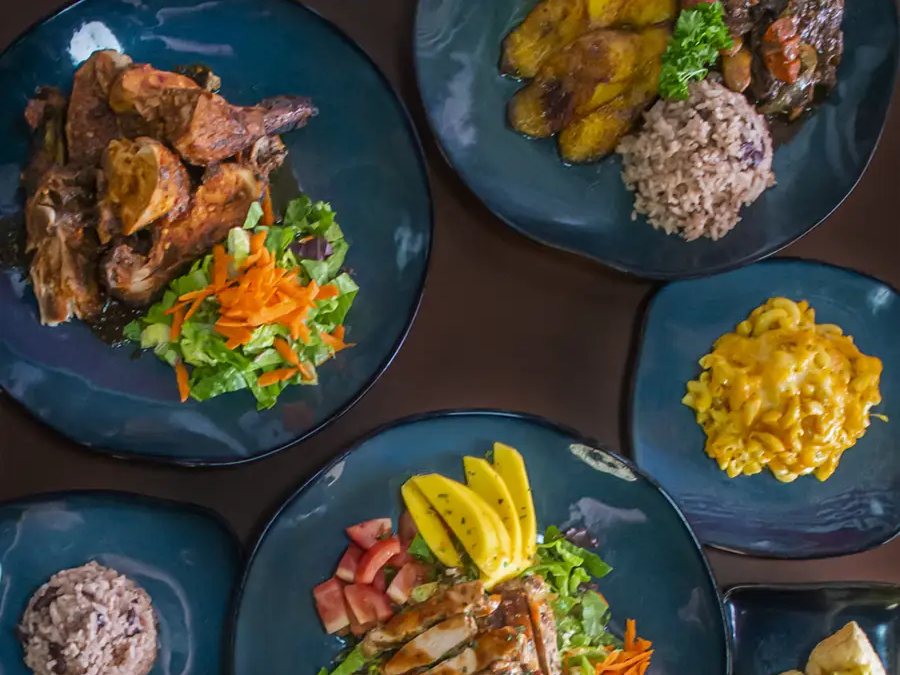
A great Jamaican food plate is not a random heap of favorites. It is a balancing act between heat, smoke, sweetness, starch, gravy, crunch, and acid. When it is done well, every forkful tastes complete. You get a little jerk spice, a little rice, a touch of sauce, maybe a bite of plantain, maybe a cooling spoonful of slaw. Nothing feels lonely on the plate, and nothing bullies the rest.
That sense of balance is what separates a satisfying plate from one that looks generous but eats heavy. Jamaican food is full of bold personalities. Jerk chicken wants attention. Curry goat brings richness. Oxtail arrives with deep, glossy gravy that can flood a plate if no one is paying attention. Ackee and saltfish has a softer, more delicate character than many people expect. Festival can tip a meal into sweetness if paired carelessly. The craft lies in understanding what each component does, then giving it the right supporting cast.
If you have ever ordered at a Jamaican restaurant and found yourself staring at steam-table trays, tempted by everything, you already know the challenge. The perfect plate is not always the biggest plate. It is the one with proportion, contrast, and intention.
Start with the kind of meal you want
Before choosing a protein, decide what sort of eating experience you are after. Jamaican food can be built around comfort, celebration, fire, or home-style simplicity, and those moods matter.
If you want a classic lunch plate that feels complete and familiar, jerk chicken with rice and peas and cabbage is hard to beat. It is probably the combination I have seen ordered most often by people who know exactly what they want. The smoke and allspice from the chicken play well with the gentle coconut richness of the rice and the mild sweetness of steamed cabbage. It is balanced almost by design.
If you want something deeper and slower, especially for dinner, oxtail or curry goat changes the whole build. Those dishes bring more weight, more sauce, and more linger on the palate. They ask for starch that can absorb gravy, and sides that lighten the meal rather than pile on more richness.
If you are craving breakfast or a lighter savory plate, ackee and saltfish creates a different rhythm. It is softer, less aggressive, and benefits from sides with texture. Fried dumplings, boiled green banana, or roasted breadfruit make more sense here than a mountain of sauced rice.
This first decision saves people from the most common mistake, which is ordering individual favorites without asking whether they belong together. A plate of jerk pork, mac and cheese, plantain, and festival may sound irresistible in the moment. It can also eat like four strong opinions arguing over each other.
Protein sets the mood
Most Jamaican plates are built around the main protein, and each one creates its own rules.
Jerk chicken
Jerk chicken is the easiest anchor for a balanced plate because it already contains so much character. The spice blend usually includes Scotch bonnet, scallion, thyme, pimento, garlic, and ginger, though every cook leans harder on some notes than others. Good jerk has layers. First comes smoke from the grill or pimento wood if you are lucky. Then heat, then herb, then the savory depth of the marinade.
Because jerk chicken has edges, char, and heat, it benefits from sides that cool and cushion. Rice and peas is the obvious partner for a reason. It gives the spice somewhere to land. Cabbage, slaw, or even a ripe fried plantain can soften the sharper notes without muting them.
Curry goat
Curry goat needs less sweetness than people assume. A well-made curry already carries warm spice and richness. What it often needs is structure. Rice and peas works beautifully because it absorbs sauce while keeping separate grains. White rice can be even better if the curry is especially bold or salty. Steamed vegetables help, but they should not be overcooked into submission. A bit of snap keeps the plate alive.
Oxtail
Oxtail is luxurious when it is handled properly, tender enough to yield under a fork, coated in dark gravy, often with broad beans tucked into the sauce. It can also dominate a plate in seconds. This is where restraint matters. You do not need many side dishes. You need sides that make sense. Rice and peas is almost always right. A small amount of cabbage or callaloo can add needed freshness. Too much sweet starch on the same plate turns a beautiful dish cloying.
Brown stew chicken
Brown stew chicken is one of the most reliable choices for a complete plate because it sits in a sweet spot between everyday comfort and strong seasoning. The gravy carries browned sugar, peppers, onion, and tomato notes without the intense smoke of jerk or the density of oxtail. It welcomes rice and peas, plain rice, boiled provisions, or vegetables. It is forgiving, which is one reason it appears so often in homes as well as takeout spots.
Ackee and saltfish
Ackee and saltfish deserves more care than it often gets from people trying Jamaican food for the first time. The dish is not meant to be loud. Ackee is buttery and delicate. Saltfish brings salinity and chew. Onion, tomato, and Scotch bonnet should support rather than overwhelm. This plate shines with fried dumpling, breadfruit, yam, or green banana. If you load it with too many rich extras, you lose the point.
The starch is not filler
One of the clearest signs that somebody understands Jamaican food is how seriously they take starch. In many cuisines, starch is treated as a bland backdrop. Here, it is an active part of the meal. It carries gravy, calms spice, adds texture, and often contributes its own flavor.
Rice and peas is the best-known example, and it is more nuanced than the name suggests. Depending on the cook, you may taste coconut milk, thyme, scallion, allspice, and a little Scotch bonnet perfume in the pot. The rice should be distinct, not gummy. The peas, often kidney beans or gungo peas depending on the dish and occasion, should be tender but intact. A scoop of badly cooked rice can drag down the whole plate no matter how good the meat is.
Plain white rice has a place too. It is especially useful with saucy mains such as curry goat, brown stew chicken, or escovitch fish, where you want the sauce to speak clearly. It can also be the better choice if the protein is already heavily seasoned. Not every plate needs rice and peas.
Then there are provisions. In Jamaican cooking, that can mean boiled yam, green banana, dumpling, and sometimes coco or breadfruit, depending on the meal. These are not afterthoughts. They bring earthiness, heft, and a more old-school, home-table feel. Ackee and saltfish with boiled provisions feels completely different from ackee and saltfish with fried dumplings, even though the protein is the same. One is steadier and more grounded. The other is richer and more indulgent.
Festival sits in its own lane. Slightly sweet, crisp outside, tender within, it is one of the great side items in Jamaican food. But it works best when the main has heat or sharpness. Jerk fish with festival makes sense. Escovitch fish with festival can be excellent. Oxtail with festival is usually too much sweetness and softness on one plate.
Vegetables and bright elements keep the plate honest
A plate can be technically correct and still feel tiring halfway through. That usually happens when everything is rich, brown, and soft. The fix is not to make the meal less Jamaican. The fix is to remember that brightness matters.
Steamed cabbage is one of the quiet heroes of a strong plate. Done right, it is lightly seasoned, still a little fresh, and not drenched in oil. It brings sweetness, moisture, and a different texture. Carrot and cabbage slaw offers crunch and acidity, which is especially useful with fried or heavily grilled mains. Callaloo adds an earthy green note that pairs beautifully with breakfast dishes and fish.
Pickled or peppery accompaniments also matter. Escovitch vegetables, with their vinegar, onion, carrot, and Scotch bonnet bite, can rescue a fried fish plate from heaviness. Even a wedge of lime on seafood can sharpen the whole experience. These details are often what make the final third of the meal as enjoyable as the first few bites.
I learned this the hard way years ago at a community food fair where I built myself an overambitious plate: jerk pork, rice and peas, macaroni pie, fried plantain, and festival. Everything tasted good individually. Ten minutes later, I wanted something crisp and acidic that was nowhere to be found. The plate had no relief. Since then, I have been ruthless about giving rich mains a fresh counterpoint.
Sauce management is part of plate design
This is one of those details that seems minor until you have had enough soggy meals. The way gravy, jerk sauce, and pan juices are applied changes the entire plate.
Too much curry gravy can swamp rice and erase texture. Too little can make the meat feel separate from the rest of the meal. Oxtail gravy should coat, not drown. Brown stew gravy should seep into the starch without turning the vegetables limp. Jerk sauce, if served on the side, should be added with caution because it can be saltier and hotter than the meat itself.
A well-built plate usually keeps one area of relative dryness. That might be a strip of cabbage, a piece of festival, or the top of the rice mound before sauce reaches it. The contrast matters. If every component is equally wet, the plate loses dimension.
Restaurant plating often ignores this because speed matters. At home, you can do it properly. Spoon the starch first. Set the protein partly on, partly beside it. Add gravy where it will be useful, not everywhere. Put vegetables away from the wettest zone. It sounds fussy. It is actually the difference between a plate that holds together and one that collapses.
Heat should be deliberate, not accidental
Scotch bonnet is one of the defining flavors in Jamaican food, but heat for its own sake is not the goal. A perfect plate has a heat level that supports appetite rather than shutting it down.
Jerk is the obvious place where people overdo it. If the chicken or pork is properly seasoned and grilled, it already has enough personality. Drenching it in extra hot sauce can flatten the more interesting flavors, especially pimento and thyme. With curry dishes, excessive pepper can blur the spice profile and make every bite feel one-note. Even escovitch, which should have a peppery edge, still needs vinegar and vegetable sweetness to come through.
If you are feeding a mixed group, it is smarter to keep the plate moderately hot and serve extra pepper sauce on the side. That lets people tune the meal without ruining its balance. I have seen cooks make an outstanding pan of curry goat, then lose half the audience because they chased bravado instead of flavor.
Fried items require discipline
Jamaican food offers many temptations from the fryer, and this is where the perfect plate is easiest to wreck. Fried plantain, festival, bammy, fried dumpling, and fried fish can all be wonderful. They just do not all belong on the same plate.
Fried plantain is best when it is deeply ripe, caramelized at the edges, and served in small amounts. It works beautifully with jerk, stew chicken, and some fish plates. Festival is stronger and sweeter. Bammy, especially with fish, gives chew and subtle cassava flavor. Fried dumpling is rich and satisfying, but pairs best with breakfast or simpler savory mains rather than the heaviest meat dishes.
Once two fried starches land on the same plate, something else should lighten the load. Otherwise the meal turns monotonous, no matter how good the cooking is. The best Jamaican food plates understand that indulgence needs pacing.
Building combinations that actually work
There is no single perfect Jamaican food plate, because different mains ask for different companions. What matters is internal logic. These combinations rarely miss:
- Jerk chicken, rice and peas, steamed cabbage, and a few slices of ripe plantain.
- Curry goat, white rice or rice and peas, callaloo or cabbage, with gravy added sparingly.
- Oxtail, rice and peas, a small side of cabbage, and no extra sweet starch.
- Escovitch fish, festival or bammy, plus enough pickled vegetables to cut the fry.
- Ackee and saltfish, boiled green banana and yam or fried dumpling, with fresh tomato and a touch of pepper.
Notice what these pairings do. They match weight with weight, then interrupt it with freshness or texture. They avoid stacking sweetness on sweetness. They respect the mood of the main dish.
What people often get wrong
Most disappointing plates fail for predictable reasons:
- Too many starches, especially sweet or fried ones, with no fresh element.
- Too much gravy, which erases texture and muddies flavor.
- A main and side that fight, such as delicate ackee beside aggressively sauced meats.
- Heat added without restraint, masking the seasoning already built into the dish.
- Portion imbalance, where one oversized item leaves the rest of the plate irrelevant.
These mistakes are common because Jamaican food is generous by nature. The instinct is to keep adding. The better instinct is to edit.
Home kitchen judgment matters more than authenticity theater
People get nervous about building Jamaican plates at home because they imagine there is one official way to do everything. There is not. Jamaican cooking is full of regional habits, family preferences, and practical adjustments. One household serves more gravy. Another prefers drier rice. One cook sweetens fried plantain further by letting it get almost jammy. Another keeps it firmer. Some swear by rice and peas with nearly every Sunday meal. Others switch starch according to the protein.
What matters is that the plate understands the cuisine’s internal logic. If you are cooking jerk chicken in a home oven instead of over pimento wood, you can still build a proper plate by getting https://marcomhbp006.theburnward.com/delicious-jamaican-food-ideas-for-your-next-family-dinner the balance right. If your access to breadfruit or callaloo is limited, you can still honor the meal with good cabbage, well-cooked rice, and sensible sauce control.
This is also where experience pays off. A plate should reflect appetite and occasion. For a weekday lunch, I would keep it cleaner and a little lighter: brown stew chicken, rice, cabbage, maybe plantain if the stew is not too sweet. For a weekend gathering, I would lean richer but still measured: jerk pork, rice and peas, slaw, and one fried side, not three. For brunch, ackee and saltfish with boiled provisions and sliced avocado if available can feel both generous and composed.
Texture is the secret most people miss
Flavor gets all the attention, but texture is often what makes a plate memorable. Jamaican food thrives on contrast. Think of crisp chicken skin against soft rice, tender oxtail against beans, flaky fish against chewy bammy, buttery ackee against a crusty fried dumpling.
When every item on the plate is soft, the meal drags. When every item is intense, the palate gets tired. The perfect plate keeps shifting gears. This is why steamed cabbage matters. This is why escovitch vegetables are not just garnish. This is why even a small wedge of fried plantain can make sense, because it adds a soft, sweet note that rounds out heat and salt.
At restaurants, I often look at the plate before taking the first bite and ask a simple question: where is the contrast? If I can see it, the chances are good. If I cannot, the meal usually confirms my suspicion.
The plate should look generous, not chaotic
Presentation in Jamaican food is not about fine dining precision. It is about abundance with control. You want to feel looked after, not buried. The rice should anchor the plate. The protein should be visible and accessible, not hidden under sauce or crammed into a corner. Vegetables should have enough space to stay themselves. Fried sides should look intentional, not like leftovers looking for a home.
Color helps. Brown stew next to white or coconut-flecked rice, green callaloo, orange carrot, golden plantain, and red peppers makes the meal feel lively before you taste it. Jamaican food often comes in earthy tones, so small bright elements carry more visual weight than people expect.
A crowded plate can still be balanced if each item keeps its identity. A smaller plate overloaded with gravy and starch rarely can.
What the perfect Jamaican food plate really delivers
The best Jamaican food plate does more than fill you up. It moves in stages. The first bite wakes you up. The next few settle into warmth and richness. Midway through, something bright or crisp refreshes the palate. Near the end, the starch has absorbed just enough sauce to become more flavorful than it was at the start. You finish feeling satisfied, not defeated.
That kind of plate comes from judgment, not excess. Choose a main with character. Give it a starch that supports rather than crowds it. Add a vegetable or acidic element that creates relief. Use sauce carefully. Respect texture. If a side is there only because you like it in general, not because it belongs with the meal, leave it for another day.
Jamaican food rewards generosity, but it rewards balance even more. When those two qualities meet on the same plate, you get something memorable, the kind of meal that makes people go quiet for a minute after the first bite because they are too busy eating to talk.
Reggae Pot Jamaican Grill
2243 S Monaco St Pkwy #104
Denver, CO 80222
+1 720-410-2956
FAQ About jamaican food
What is the best Jamaican food to try in Denver?
The best choice depends on your tastes. Popular options include jerk chicken, curry goat, slow-cooked oxtail, and savory patties. Reggae Pot lists these dishes on its menu, with sides such as rice and peas and plantains. Ask the Denver team about current availability and spice levels.
Is Jamaican food very spicy in Denver?
Heat varies by dish and preparation. Jerk seasoning often includes scotch bonnet peppers alongside herbs and allspice, while other dishes may have gentler seasoning. Ask about the heat of the specific dish and any sauce before ordering.
What are some popular Jamaican snacks?
Jamaican patties are a popular snack made with flaky pastry and savory meat or vegetable fillings. Other options include fried dumplings and festival, a sweet fried dough often served with savory dishes. Availability varies, so check the current menu when ordering.